Sabre Corporation: At a Crossroads of Transformation and Shareholder Pressure
Wolstonbury — Commercial Airline Consultancy | Strategy · Revenue · Innovation

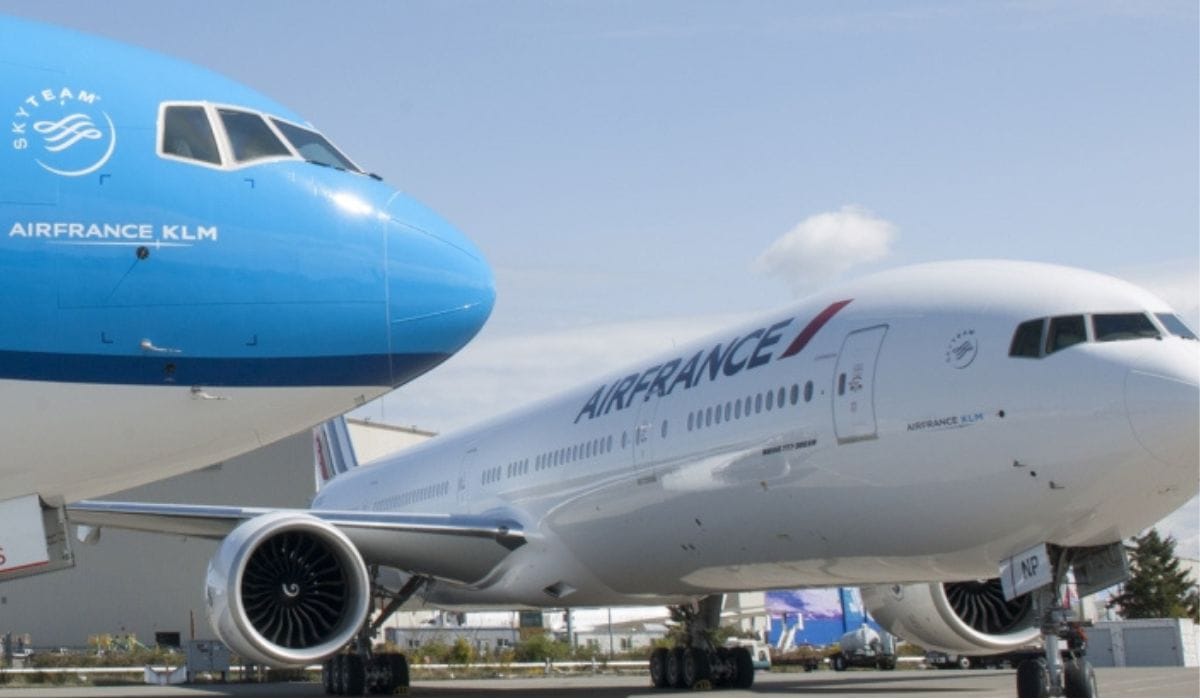
Technology Enablement: A Modular, Airline-Led Stack
Rather than extending a monolithic Passenger Service System, Air France–KLM is pursuing a modular architecture aligned with IATA Modern Airline Retailing principles. Technology partners play enabling roles within an airline-defined target state.
Amadeus: Offer and Order Management
Formally selected in early 2025, Amadeus Nevio serves as a core Offer and Order management layer within the Group’s retailing architecture. Built around native Offer and Order concepts, it reduces reliance on message-based translation layers traditionally associated with NDC and allows retail logic to be expressed more directly and consistently.
Data and AI Capability
In mid-2025, Air France–KLM launched a cloud-based “AI Factory” in partnership with Google Cloud. This environment supports experimentation and scaled deployment of machine-learning and generative AI use cases across pricing, retailing, and operations. In the context of Modern Airline Retailing, it underpins the computational demands of higher-frequency and more granular Offer Creation.
Migration and Integration
Tata Consultancy Services (TCS) is supporting the Group’s multi-year migration of data and applications to cloud environments, following a partnership announced in late 2024. This work is foundational to achieving the latency, resilience, and scalability required for production-grade Offers and Orders.
Governance: From Digital Programme to Group Transformation
A defining feature of the MOON programme is its governance model. Ownership spans commercial, digital, operations, and finance functions, reflecting the reality that Offers and Orders reshape how airlines sell, service, and account for revenue.
This cross-functional structure is designed to ensure that pricing strategy, distribution economics, servicing processes, and financial controls evolve in step, rather than as disconnected initiatives. For senior leadership, this alignment is critical to sustaining momentum beyond initial deployment phases.
Operational Pragmatism: Managing Look-to-Book Economics
One of the most acute challenges in Modern Airline Retailing is the exponential growth in shopping requests as personalisation increases. Without effective controls, rising look-to-book ratios translate directly into higher compute cost and system strain.
By late 2025, Air France–KLM had deployed advanced airline profile filtering using machine-learning techniques to prioritise high-intent demand and significantly reduce non-actionable shopping traffic. While not eliminating look-to-book pressure entirely, this approach has materially mitigated its impact and stabilised performance as richer, more frequent offers are generated.
For finance leaders, the significance extends beyond system efficiency. Managing compute intensity, filtering low-value demand, and simplifying post-sale servicing are becoming central to preserving margin as retail complexity increases.
The 2026 Outlook
Through 2026, attention will increasingly shift from Offer Creation to Delivery and Servicing. For Air France, this includes using premium propositions—such as the evolving La Première experience—as proving grounds for integrating high-touch services into an order-based framework. For KLM, the focus remains on operational resilience, particularly disruption recovery at the capacity-constrained Schiphol hub, where more consistent order-centric processes can significantly reduce manual intervention.
What distinguishes Air France–KLM is not ambition alone, but a willingness to absorb early execution risk in order to industrialise Offers and Orders at scale. In doing so, the Group is establishing a reference case against which other airlines—and their technology partners—will increasingly be measured.
References & Further Reading
Amadeus (Feb 2025): Air France–KLM selects Amadeus Nevio for Modern Retailing
Accenture & Google Cloud (July 2025): Air France–KLM launches Generative AI Factory
PhocusWire (Dec 2025): Air France–KLM reduces shopping traffic using Amadeus technology
TCS (Nov 2024): Air France–KLM partners with TCS for group-wide data transformation
IATA: Modern Airline Retailing – Industry Transition Roadmap
Wolstonbury — Commercial Aviation Strategy, Delivered with Clarity and Purpose.
Want more analysis like this? Click the ‘Join the Newsletter’ button to receive the next edition.

Sabre Corporation faces financial recovery, shareholder pressure from Constellation Software, and a pivotal retailing transition with SabreMosaic.
How Finnair is using Amadeus Nevio and ONE Order architecture to modernise airline retailing and reduce legacy system complexity.

How United Airlines modernised its SHARES platform, reduced operational risk, and built the foundation for NDC and modern airline retailing.
How Emirates is using NDC, OOSD, and its Gateway platform to strengthen premium merchandising, servicing, and airline retail strategy.
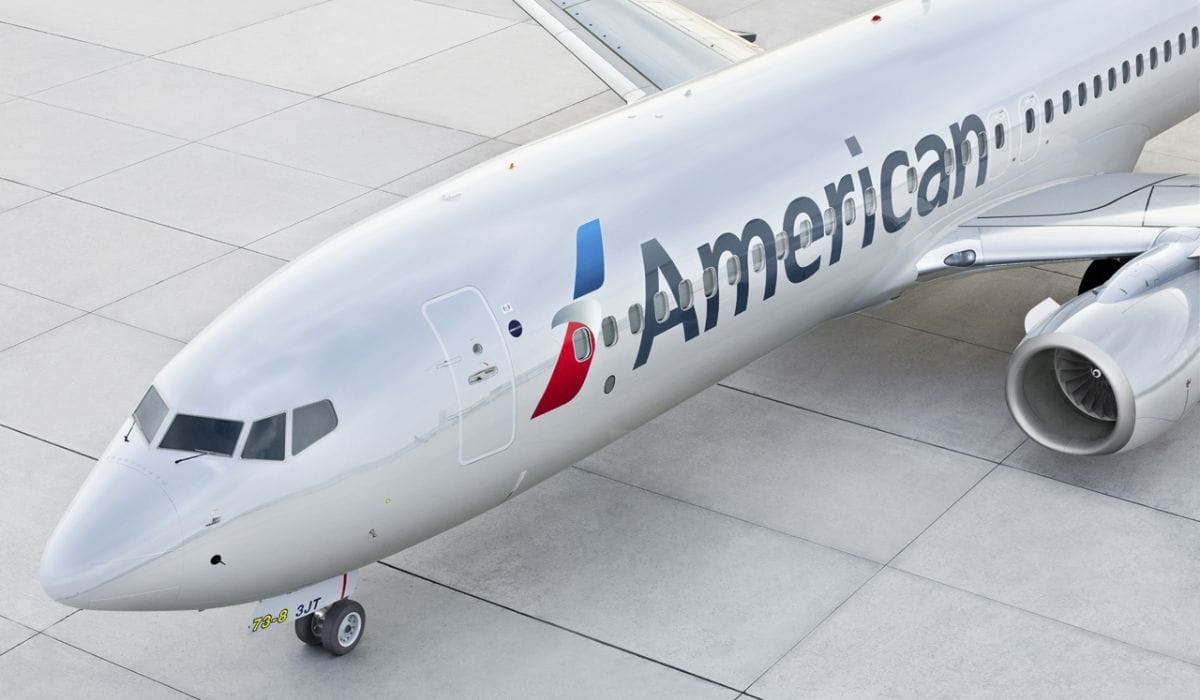
A senior-level analysis of how American Airlines is implementing IATA Modern Airline Retailing through OOSD, modular technology, & distribution.
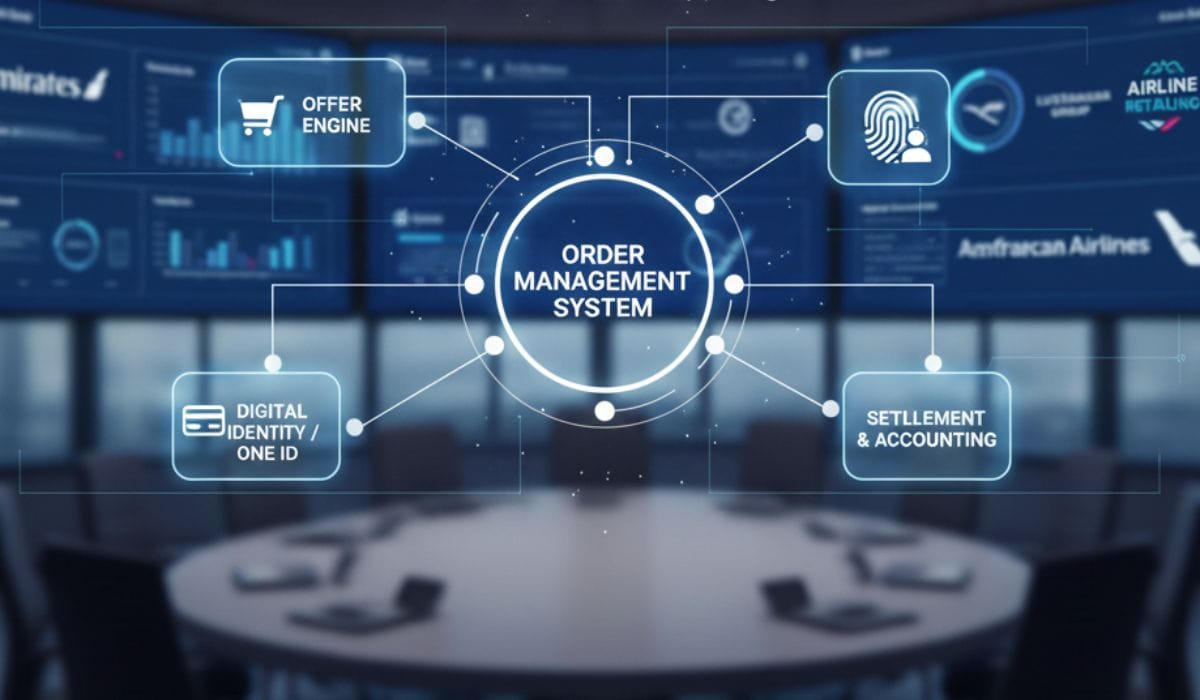
How IATA's Airline Retailing Consortium is industrialising Modern Airline Retailing in 2026, shifting airlines to Offers, Orders, & Settlement with Orders.
Discover the 2026 Asia-Pacific aviation outlook. Learn how regional carriers can avoid the yield trap, optimize RASK, and protect margins.
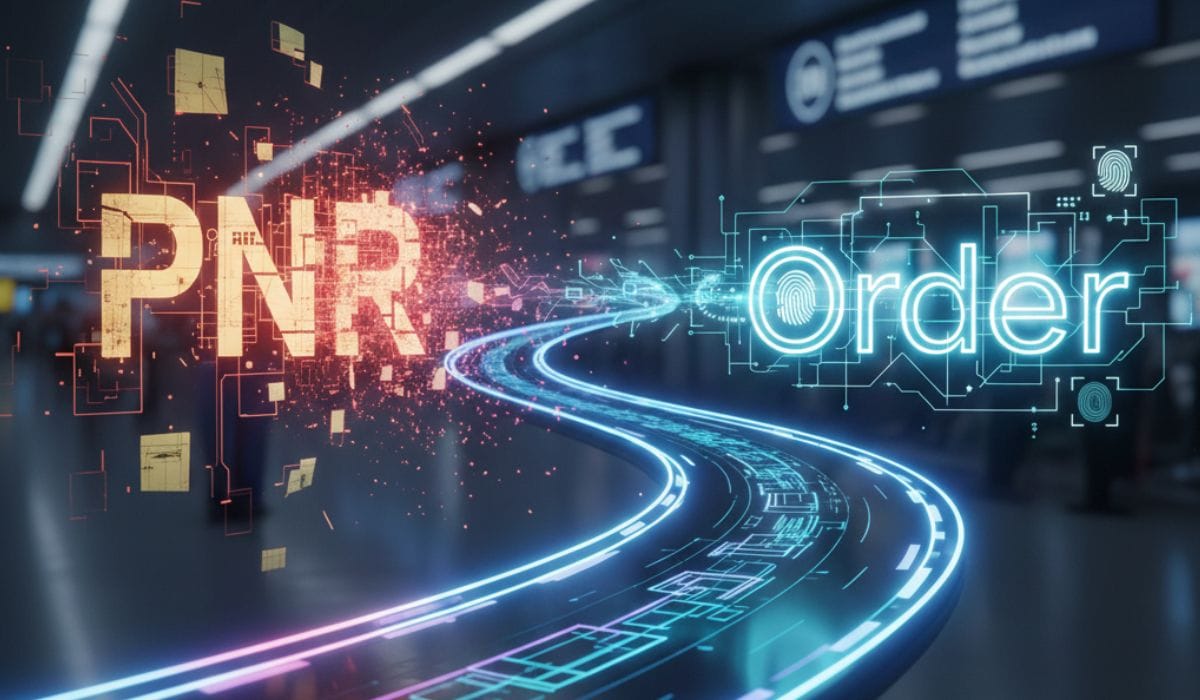
Explore 5 defining airline retailing events of 2025. From Finnair’s native orders to Agentic AI, learn how the industry is moving from records to relationships.
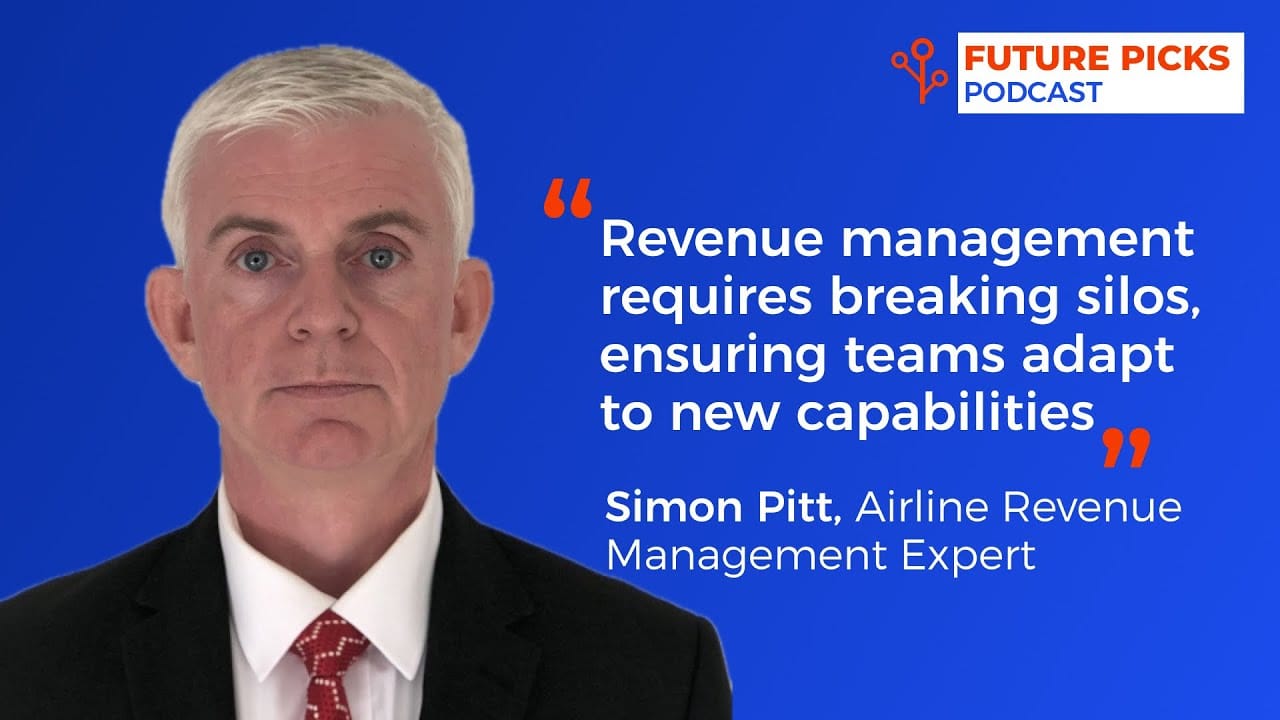
Founder Simon C. Pitt shares insights on airline revenue management evolving from network optimisation to modern retailing & organisation design.
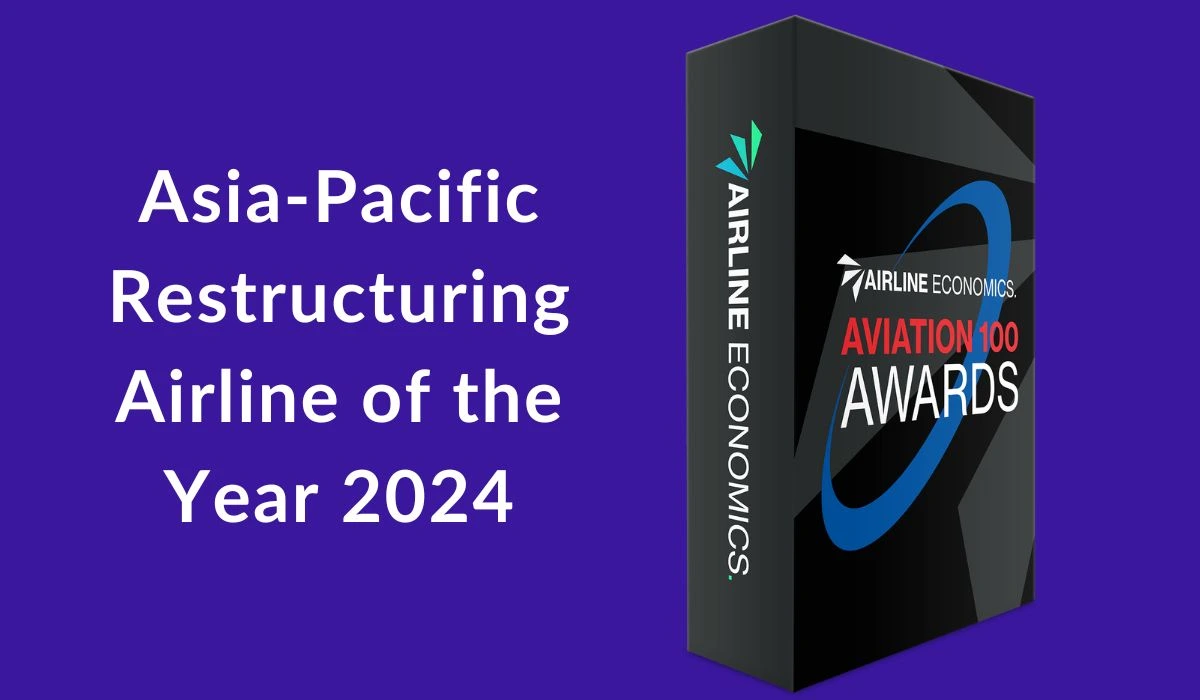
PNG Air’s landmark restructuring, led by PwC Australia and supported by Simon C Pitt’s commercial strategy, wins Asia-Pacific Aviation 100 Award. Learn more.