Sabre Corporation: At a Crossroads of Transformation and Shareholder Pressure
Wolstonbury — Commercial Airline Consultancy | Strategy · Revenue · Innovation

1. The “Growth Engine” Returns East
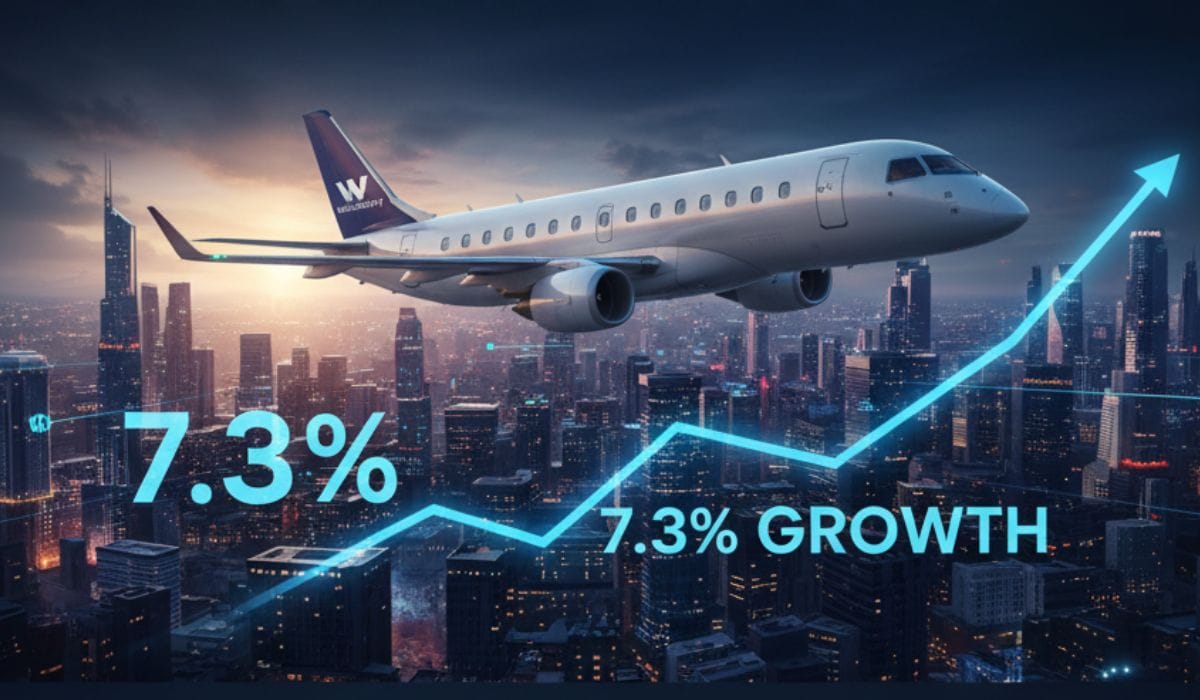
According to the International Air Transport Association (IATA), global passenger traffic is forecast to grow by roughly 4.9% in 2026. However, the real story lies in the regional breakdown: Asia-Pacific is projected to outperform the global average with a massive 7.3% expansion in Revenue Passenger Kilometres (RPKs) [1].
This surge is being driven by three specific factors:
The “China Rebound” Effect: Continued easing of visa restrictions for inbound tourism to China and outbound group travel is finally normalising 2019 capacity levels.
Intra-Regional Connectivity: Emerging markets like Vietnam and India are seeing double-digit demand for short-haul international travel.
The “Experience Economy”: Despite inflationary pressures, consumer spending on travel remains robust, with Morgan Stanley noting that “services spending” continues to outpace goods in the APAC region [2].
The Wolstonbury View:
Volume is back, but don’t confuse “busyness” with “business.” A 7% traffic increase means nothing if your yield is diluted by rising operational costs. The winners in 2026 won’t be the airlines who fly the most people—it will be the ones who fly the most profitable people.
2. The Supply Chain “Straightjacket”
While demand is soaring, supply is stuck on the tarmac.
Reports from Airbus and Boeing indicate that aircraft delivery delays will persist well into 2026/27 due to ongoing engine shortages and tier-2 supplier bottlenecks [3].
This has created a unique market dynamic: Record Load Factors. IATA projects global load factors to hit 83.8%, with APAC likely exceeding 84.4%—an all-time high [1].
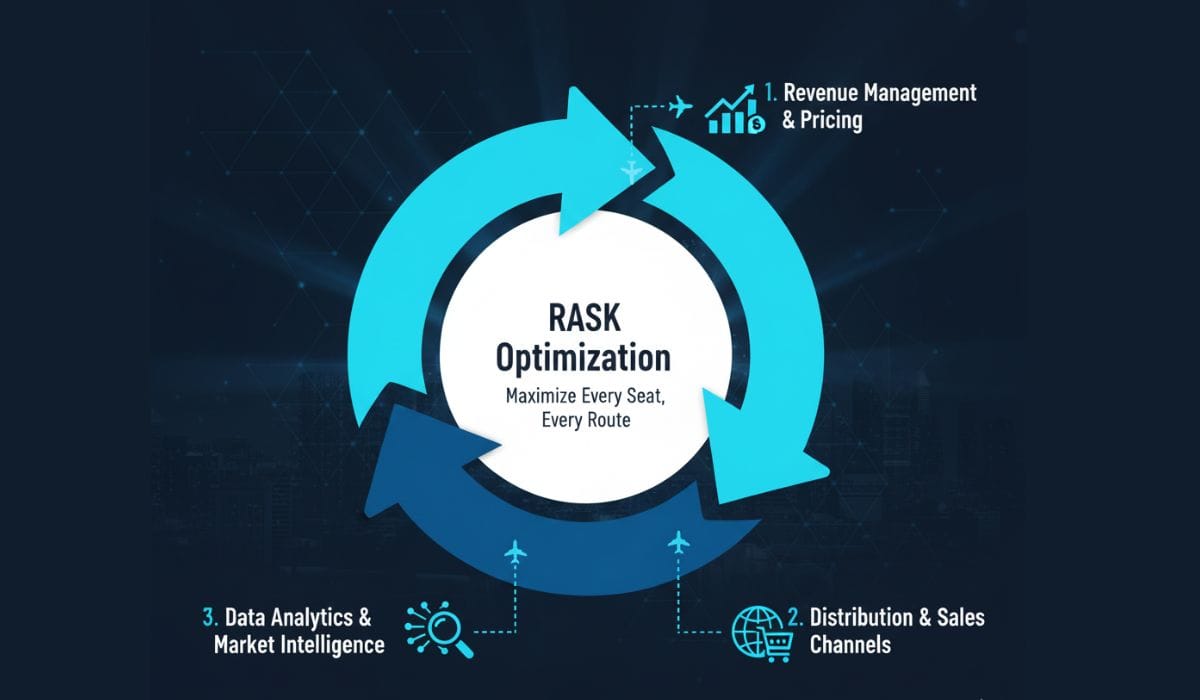
The Commercial Implication: When supply is capped, your inventory becomes a scarce asset. If you are a regional carrier flying with an 85% load factor but your RASK (Revenue per Available Seat Kilometre) isn’t rising, you have a pricing problem.
The Risk: Selling out your “base” fares too early because your historical booking curves haven’t been updated for this “scarcity economy.”
The Opportunity: 2026 is the year to be aggressive with Dynamic Pricing. With capacity constrained, the market will pay a premium for the last 15% of seats—if you are brave enough to hold them.
3. The “Wafer-Thin” Margin Reality
Despite record revenues (projected to top $1 trillion globally), the industry’s net profit margin remains stubbornly low at just 3.9% [1].
For a boutique airline, this margin for error is nonexistent. The Association of Asia Pacific Airlines (AAPA) has highlighted that while cargo and passenger numbers are up, “intensifying market competition is placing pressure on yields,” while supply chain costs rise [4].
We call this the “Distribution Tax.” In 2026, as Global Distribution Systems (GDS) and Online Travel Agencies (OTAs) exert more power, the cost of acquiring a customer is rising. If your net margin is only 4%, paying a 5% commission to an OTA effectively wipes out your profit on that seat.
The Strategic Pivot:
Small carriers must treat their “Direct Channel” (Website/App) not just as a store, but as a defensive weapon. Every booking shifted from an OTA to your own site in 2026 is an immediate 10-15% margin gain.
4. Conclusion: The “Agility” Advantage
The outlook for 2026 is undeniably bullish for APAC, but it favours the agile.
Legacy carriers are bogged down by massive overheads and rigid systems. Regional and boutique carriers have the advantage of speed—but only if they have the commercial sophistication to use it.
Your 2026 Checklist:
Audit your “spoilage”: Are you selling out too early?
Review your “Cost of Sale”: Do you know your true net yield by channel?
Invest in Agility: Can your pricing team react to a competitor’s move in hours, or does it take days?
At Wolstonbury, we specialise in helping small-to-mid-sized carriers navigate these exact challenges. If you want to ensure your 2026 strategy is built for profit, not just passengers, let’s talk.
References & Further Reading
[1] IATA: Global Outlook for Air Transport in 2026 (Dec 2025)
[3] Airbus and Boeing Market Forecasts: Global Market Forecast 2025-2044
Wolstonbury — Commercial Aviation Strategy, Delivered with Clarity and Purpose.
Want more analysis like this? Click the ‘Join the Newsletter’ button to receive the next edition.

Sabre Corporation faces financial recovery, shareholder pressure from Constellation Software, and a pivotal retailing transition with SabreMosaic.
How Finnair is using Amadeus Nevio and ONE Order architecture to modernise airline retailing and reduce legacy system complexity.

How United Airlines modernised its SHARES platform, reduced operational risk, and built the foundation for NDC and modern airline retailing.
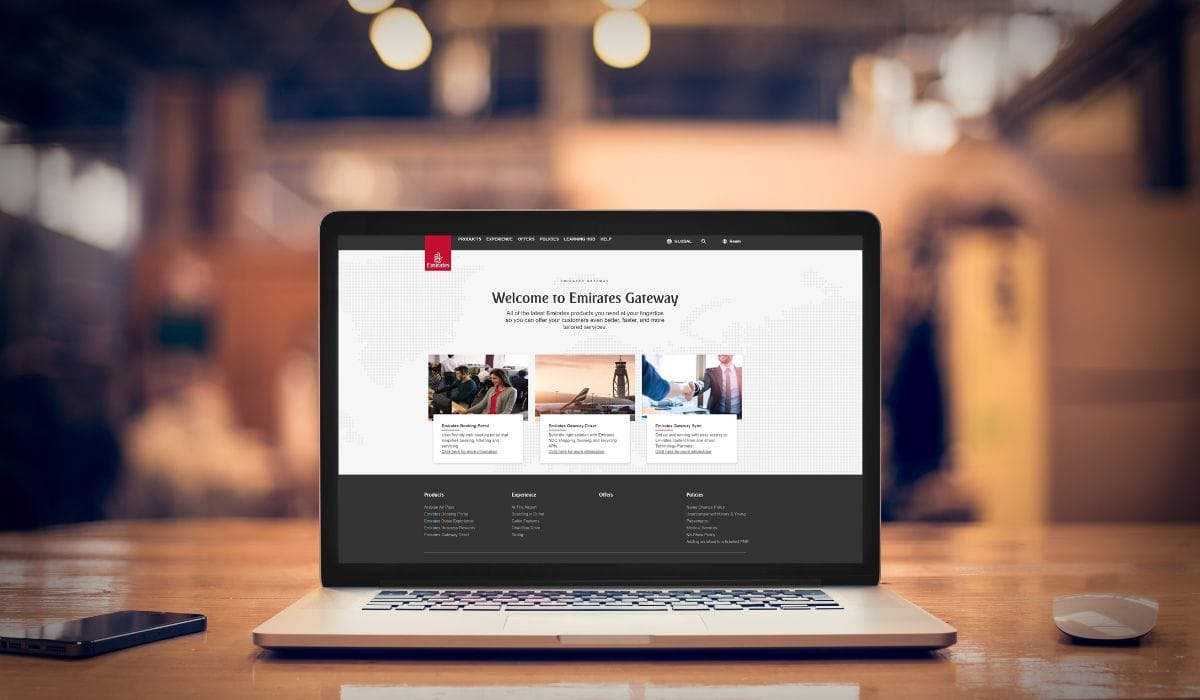
How Emirates is using NDC, OOSD, and its Gateway platform to strengthen premium merchandising, servicing, and airline retail strategy.