Executive Summary — Emirates and the Direct-first Advantage
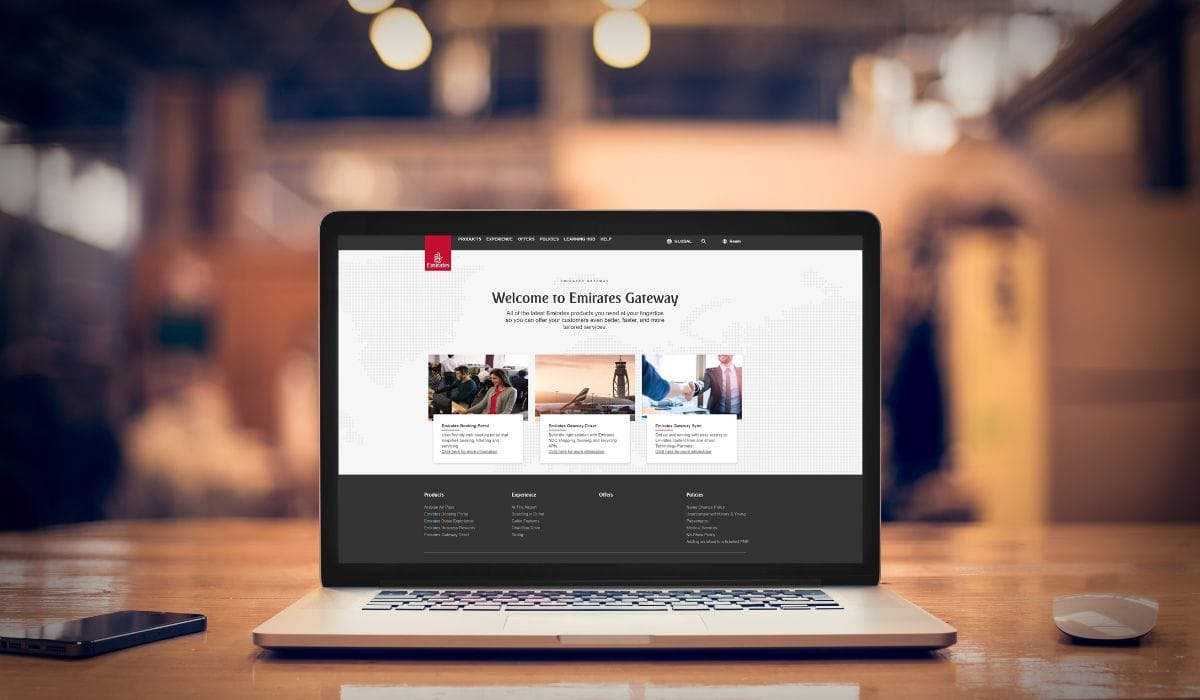
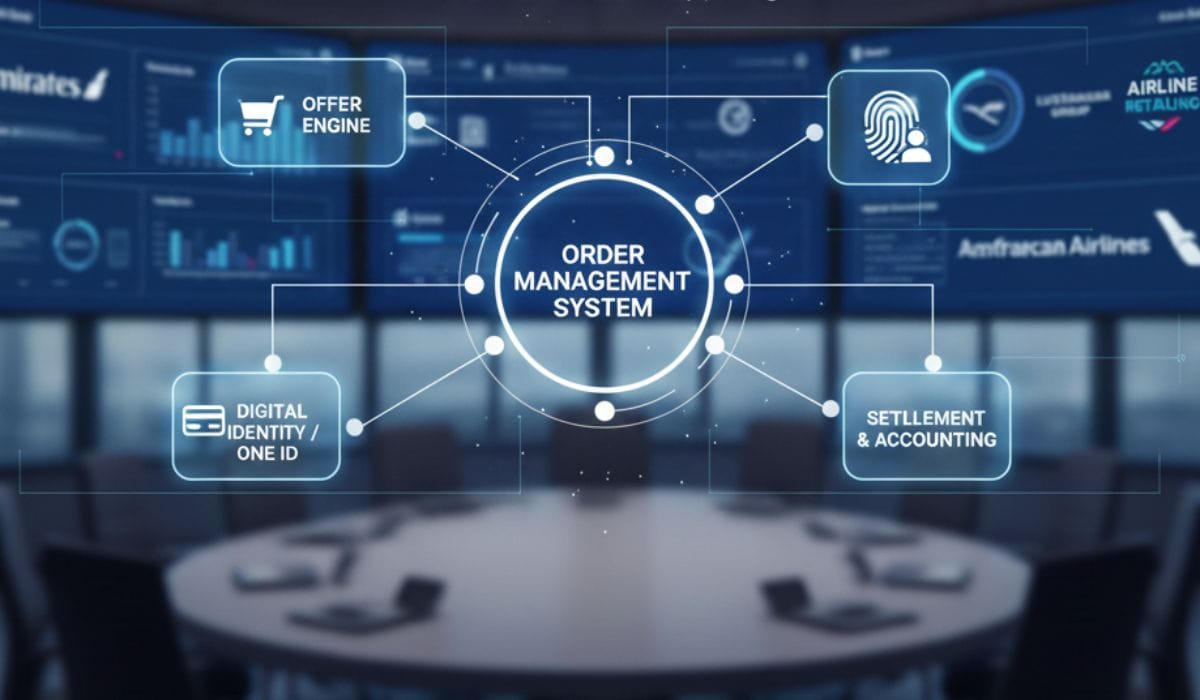
While European and American carriers often leverage GDS-centric ecosystems to transition to Modern Airline Retailing, Emirates has pioneered a “Direct-First” philosophy through its Emirates Gateway, launched in 2020 as an NDC-powered trade platform. As of early 2026, the Dubai-based carrier has accelerated its transition toward Offers and Orders–based distribution by integrating specialised technology partners such as TPConnects to support offer orchestration and Order management.
By focusing on a proprietary, API-led distribution model, Emirates is seeking to gain greater control over premium product presentation and post-sale servicing—ensuring that high-margin services, such as its Chauffeur-drive service and A380 onboard lounge access, are presented as part of dynamically constructed offers within an OOSD-aligned Order framework, with direct implications for revenue quality and distribution efficiency.
Modern Airline Retailing: The OOSD Implementation Series
Part 3: Emirates & The Gateway Authority
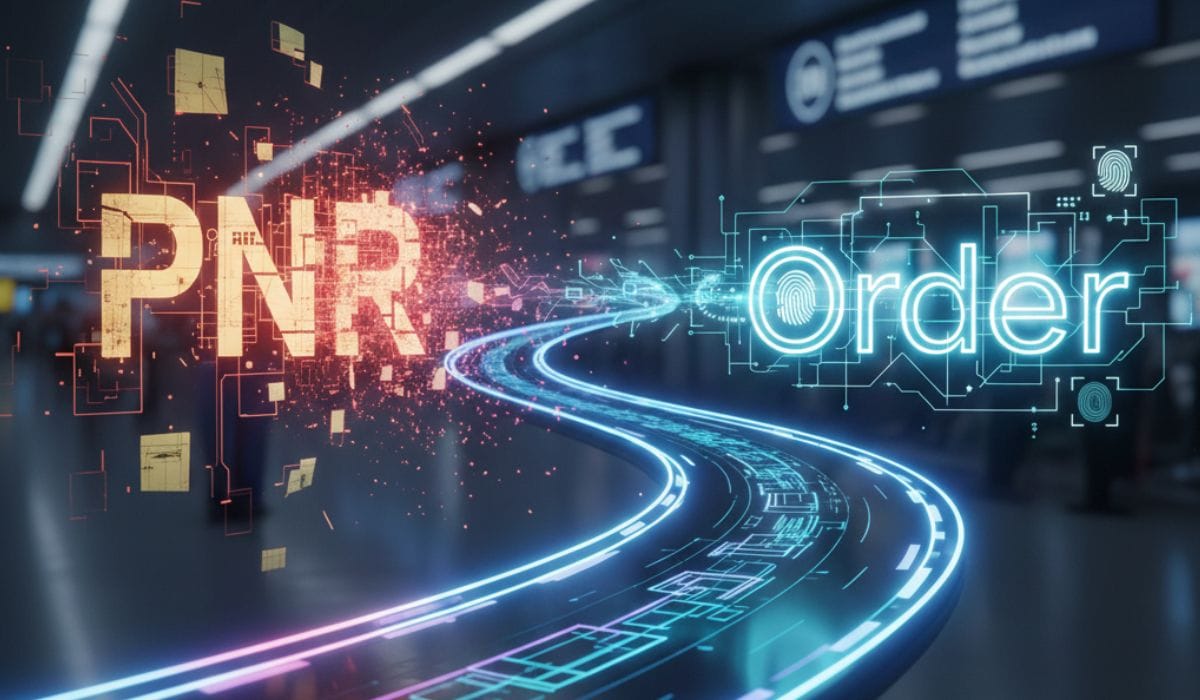
The transition from legacy systems to a Modern Airline Retailing environment is no longer a visionary roadmap; it is a tactical race. For decades, the aviation industry has been tethered to architectures developed in the 1970s—constrained by the limitations of PNRs, e-tickets, and the EDIFACT standard. Today, the IATA Modern Airline Retailing Consortium is leading a fundamental decoupling. By shifting toward an Offers, Orders, Settlements, and Deliveries (OOSD) framework, leading carriers are working to reposition themselves from transportation providers to digital retailers.
In this series, we go beyond high-level press releases to examine the operational mechanics of implementation. We analyse how consortium members are embedding new retailing capabilities into their core systems, the roles of external technology partners, and the milestones required to support IATA’s Retailing and ONE Order frameworks.
The Emirates Gateway: A Fortress of Distribution
For Emirates, the OOSD transition is centred on Emirates Gateway, the airline’s custom-built NDC platform introduced in 2020. Unlike peers that rely primarily on a single passenger service system (PSS) provider, Emirates has adopted an architectural “sovereignty” approach, retaining internal control over core offer and merchandising logic.
The airline has articulated a phased strategy to expand NDC-enabled and direct-Gateway bookings across indirect channels, supported by differentiated content and selective NDC-only fare availability.
To achieve this, Emirates is leveraging OOSD principles to address the long-standing “servicing gap”—the historical difficulty of changing, reissuing, or refunding NDC bookings. By progressing toward a Single Order Record model, the airline is seeking to consolidate servicing workflows that were previously fragmented across PNR, ticket, and EMD records.
This approach has enabled materially improved self-service capability for complex, multi-leg itineraries when compared with traditional document-based processes.
Key Technology Partners: The Specialist Approach
Emirates’ “best-of-breed” technology strategy seeks to limit vendor dependency by engaging specialist enablers alongside in-house development resources.
TPConnects (Astra OOSD)
As a certified Emirates technology partner, TPConnects provides NDC connectivity and orchestration capabilities that support rich offer creation and downstream Order processing. The company’s Astra platform is aligned with IATA’s Offers and Orders and Settlement with Orders initiatives.
This enables Emirates to distribute tailored NDC content—including promotional Economy fares and premium-cabin ancillaries—directly to connected travel sellers.
Navan (Direct Integration)
In January 2026, Emirates announced a direct NDC integration with Navan, enabling corporate customers to book and service Emirates content through Navan’s platform.
This partnership illustrates the “Delivery” dimension of OOSD, allowing selected corporate travellers to manage premium services, including Chauffeur-drive, within a third-party environment via an API-based connection.
Commercial Strategy: The Premium Bundle
Emirates’ retailing strategy is as much about brand control as system modernisation. In legacy GDS environments, the airline’s product is often reduced to fare, schedule, and booking class.
Through OOSD-aligned distribution, Emirates is progressively enabling contextual product bundling.
The Business-Leisure Bundle
Dynamic inclusion of Dubai stopover packages, lounge access, and excess baggage for high-yield connecting passengers, supported by Emirates’ stopover programme and partner network.
Corporate Customisation
Negotiated corporate Orders that include Wi-Fi access, lounge privileges, or chauffeur services based on corporate profile and contract terms, reducing reliance on manual ancillary selection.
These bundles allow Emirates to preserve premium positioning while improving ancillary attachment and conversion consistency across channels. including recently adding NDC content to Sabre.
The 2026 Outlook
As Emirates integrates its Airbus A350 fleet into its long-haul and regional network, following the introduction of the type into service from late 2024, the airline is using new-generation aircraft as platforms for enhanced digital merchandising and connectivity.
New cabin products and onboard services are being designed for compatibility with modern retailing frameworks from initial deployment, supporting Emirates’ longer-term migration away from traditional distribution models.
While hybrid PNR/NDC/OOSD operations will persist through the remainder of the decade, Emirates’ Gateway-centric strategy positions the airline to scale Offers and Orders capabilities more rapidly than many network peers as industry standards, partner readiness, and settlement frameworks mature.
References & Further Reading
Wolstonbury — Commercial Aviation Strategy, Delivered with Clarity and Purpose.
Want more analysis like this? Click the ‘Join the Newsletter’ button to receive the next edition.