Executive Summary
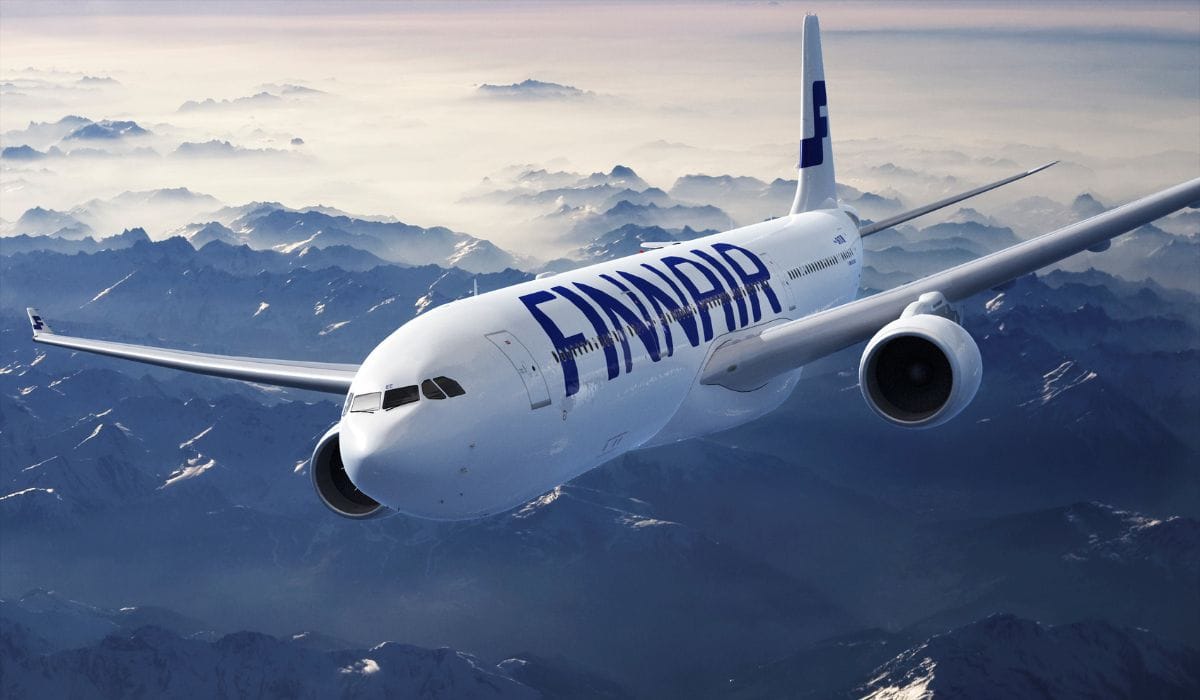
If airline retailing reform is a marathon, Finnair has chosen to run at the front of the pack.
In 2025, the Helsinki-based carrier became the launch customer for Amadeus’s Nevio platform, positioning itself at the forefront of the industry’s migration toward IATA’s Offers and Orders architecture. The programme represents one of the first large-scale attempts by a network airline to operationalise the principles of ONE Order in a live commercial environment.
For senior airline executives, the significance lies not in the rhetoric of transformation, but in the economics: structural simplification of order management, reduced legacy dependency, improved ancillary conversion, and lower servicing friction during disruption.
Modern Airline Retailing: The OOSD Implementation Series
Part 4: Finnair and the Strategic Case for the Native Order
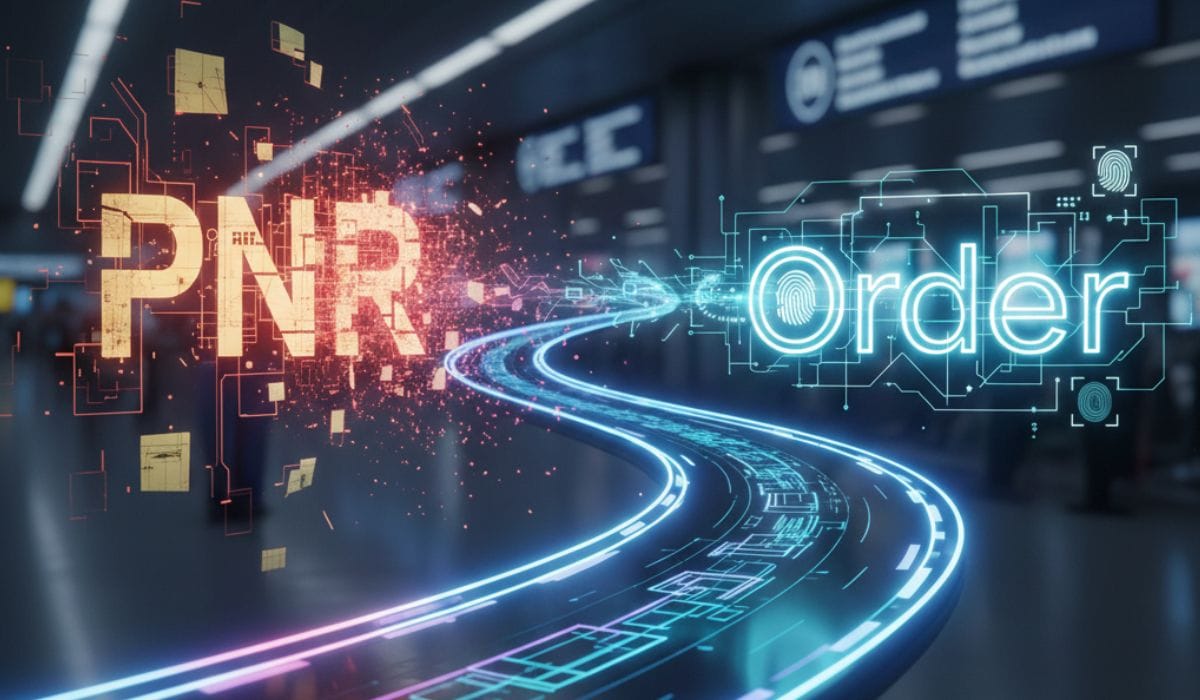
For decades, airline retailing has rested on a fragmented foundation: Passenger Name Records (PNRs), e-tickets and Electronic Miscellaneous Documents (EMDs), often transmitted via EDIFACT messaging standards conceived in the 1970s. The result is a transactional architecture that struggles to support dynamic, customer-centric retail models.
The International Air Transport Association’s (IATA) Modern Airline Retailing programme — incorporating NDC and ONE Order — seeks to replace this patchwork with a unified “Offer–Order–Settle–Deliver” framework.
Finnair’s strategic choice has been to accelerate rather than hedge. As the airline confirmed alongside Amadeus in 2025, it has moved core order management functions onto the Nevio platform, enabling the creation and management of unified orders rather than multiple legacy documents (Amadeus/Finnair press materials, 2025).
While the term “Native Order” has gained industry traction, executives should interpret it pragmatically: a consolidated order record capable of managing flight, ancillaries and servicing transactions within a single data structure. The commercial value lies in simplification and automation rather than semantics.
Strategic Context: Why Finnair, Why Now?
Finnair’s decision must be viewed against its structural position.
The carrier is a mid-sized European network airline with a geographically strategic Helsinki hub, historically optimised for Europe–Asia flows. Following the closure of Russian airspace in 2022, its long-haul economics were materially disrupted, forcing a strategic reset. In that context, simplification of cost structure and diversification of revenue streams became imperative.
Under CEO Turkka Kuusisto, appointed in 2024, Finnair’s publicly communicated strategy has emphasised profitability restoration, cost discipline and commercial modernisation (Finnair Capital Markets materials, 2025). Modern retailing is therefore not a technology experiment; it is a balance-sheet response.
For a carrier of Finnair’s scale, legacy dual-running — maintaining traditional PSS processes alongside emerging order systems — would represent a prolonged cost burden. A more decisive migration reduces that overlap period and accelerates return on investment.
The Nevio Core: Architecture as Competitive Lever
Amadeus positions Nevio as a cloud-native, open platform designed to manage offers and orders end-to-end. Finnair became its first airline customer, a move widely reported in industry media, including Future Travel Experience (May 2025).
The architectural implications are significant:
Offer Creation Decoupled from Filing Logic
Traditional fare filing constrains product design. Modern offer management allows airlines to generate bundles dynamically, combining fare, seat selection, baggage and connectivity in real time.
Order-Centric Servicing
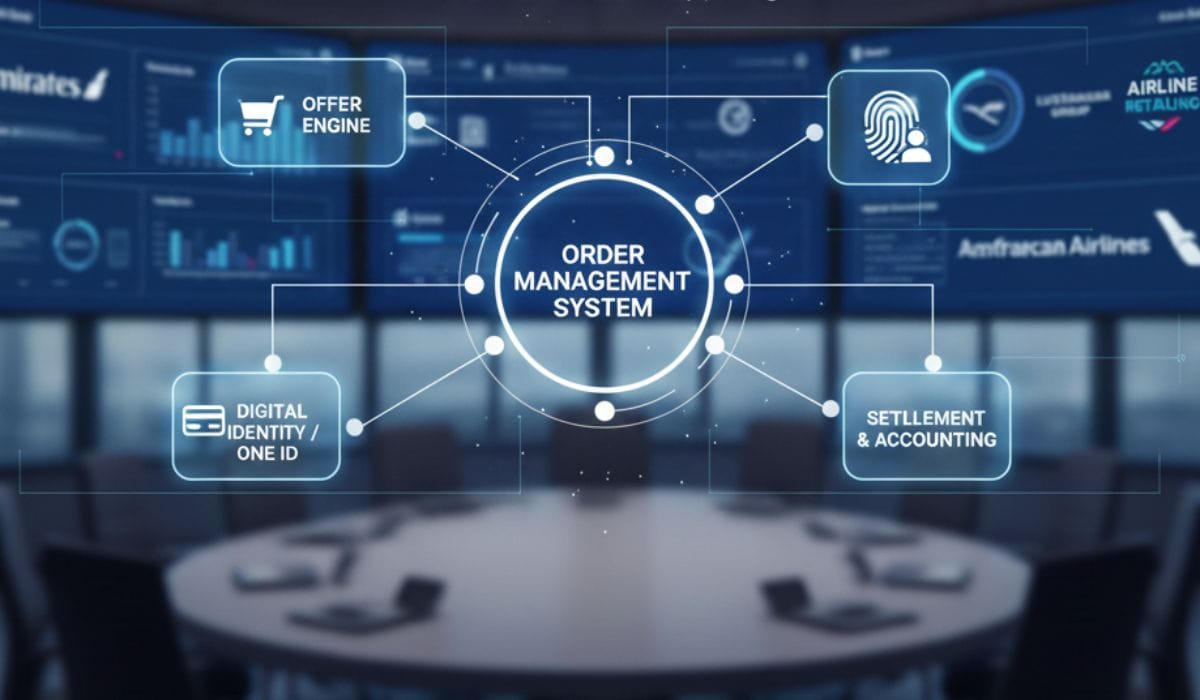
Instead of modifying multiple artefacts (PNR, ticket, EMD), servicing actions can reference a single order ID.
Continuous Pricing Enablement
While still at varying stages of deployment industry-wide, the order-based environment provides the structural foundation for continuous or attribute-based pricing.
For senior executives, the competitive question is less about first-mover optics and more about control. Ownership of offer logic and customer data increasingly determines margin resilience, particularly in premium cabins.
Distribution Strategy: Extending Modern Retail to Indirect Channels
No network carrier can afford to modernise solely through direct channels.
Finnair has worked with TPConnects to support NDC-based agency distribution via its Astra platform, ensuring that rich content and ancillary bundles are accessible beyond its own website (TPConnects case study, 2025).
This reflects a critical executive lesson: retail transformation fails if it alienates trade partners. The objective is content parity and servicing capability across channels, not channel conflict.
By supporting NDC 21.3 standards in agency environments, Finnair signals that its order-based strategy is intended to be ecosystem-wide rather than siloed.
Operational Payoff: Irregular Operations and Cost of Disruption
The most compelling executive argument for order transformation may lie not in merchandising but in disruption management.
During irregular operations (IROPs), legacy systems often require separate updates across booking, ticketing and ancillary records. An order-centric model enables consolidated modification. In principle, compensation elements such as hotel vouchers or rebooked segments can be appended within the same order construct.
For a carrier operating in a northern climate with winter disruption risk, the efficiency gains are tangible: fewer manual touchpoints, reduced call centre load, and faster passenger reaccommodation.
Cost avoidance in servicing — often under-analysed relative to revenue uplift — is likely to be a material contributor to the business case.
Network Expansion and Long-Haul Application
Finnair has also announced plans to expand long-haul flying, including services to Australia from 2026, subject to operational conditions (industry and route reporting, 2025). Such ultra-long-haul routes amplify retail complexity: multiple jurisdictions, higher premium cabin mix, and greater ancillary opportunity.
Aircraft such as the Airbus A350-900 — central to Finnair’s long-haul fleet — are typically deployed on these missions, with differentiated cabin products including the airline’s distinctive “AirLounge” business class seat.
An order-based architecture is particularly valuable on long-haul itineraries where customers purchase bundled experiences rather than simple seat transport. The ability to modify, upsell or re-accommodate across long sectors strengthens both yield and customer retention.
Financial and Strategic Implications
From a capital markets perspective, three themes merit attention:
Legacy Cost Compression
Gradual retirement of EDIFACT-heavy processes may reduce distribution surcharges and complexity over time, though transition costs remain material.
Ancillary Penetration
Dynamic bundling and improved presentation typically correlate with higher attach rates, particularly in premium leisure segments.
Technology Risk Management
As a launch customer, Finnair inevitably carries implementation risk. However, it also secures influence over the product roadmap and competitive differentiation.
For investors and airline boards alike, the deeper issue is structural: whether order-centric retail becomes the default industry model within the next decade. If so, early adopters may enjoy both a learning curve advantage and cost leadership.
Conclusion: A Calculated Lead
Finnair’s move into order-native retailing should not be romanticised as disruption for its own sake. It is a strategic response to structural change in airline economics, accelerated by geopolitical shock and competitive pressure.
By aligning with Amadeus Nevio at an early stage, extending NDC capabilities to agency partners, and embedding order logic into operational processes, the Finnish carrier has positioned itself as a credible test case for the viability of large-scale OOSD migration.
For senior executives across the industry, the central question is no longer whether to engage with Modern Airline Retailing — but how quickly legacy architecture can be unwound without destabilising core operations.
Finnair has elected to move early. The financial returns will determine whether others follow at pace.
References & Further Reading
Wolstonbury — Commercial Aviation Strategy, Delivered with Clarity and Purpose.
Want more analysis like this? Click the ‘Join the Newsletter’ button to receive the next edition.